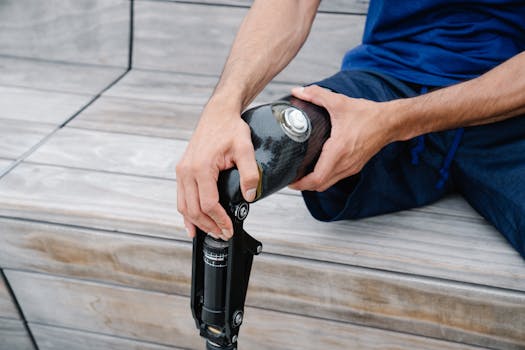

Ever feel like you’re chasing a fitness goal, only to find it slips away as soon as life gets busy? We often compartmentalize “health” and “life” – thinking we need dedicated gym time, strict diets, and rigid schedules to be well. But what if your life itself could be the exercise, the nourishment, the well-being? This is the essence of lifestyle mobility, and it’s less about doing more, and more about integrating movement and freedom into the fabric of your everyday existence. It’s about designing your daily rhythm so that being active and adaptable isn’t a chore, but a natural outflow of how you live, work, and play.
Redefining “Active”: It’s Not Just About the Gym
Forget the idea that you need an hour-long sweat session to count as exercise. Lifestyle mobility is about maximizing the movement opportunities you already have. Think about your commute: can you walk or cycle part of the way? What about your workday? Are there opportunities for standing meetings, desk exercises, or short walking breaks? I’ve often found that simply choosing the stairs over the elevator, or taking a slightly longer route to the coffee machine, adds up significantly over a week. It’s about being intentional with every step, every stretch, every opportunity to engage your body. This isn’t about punishing yourself; it’s about recognizing the inherent value of physical engagement in every facet of your day.
Optimizing Your Environment for Seamless Movement
Your surroundings play a massive role in your ability to embrace lifestyle mobility. Are you setting yourself up for success or for stagnation? Consider your home and workspace.
Home Habits:
Keep active gear visible and accessible. Yoga mats unfurled, resistance bands on a hook, comfortable walking shoes by the door.
Designate a small space for movement, even if it’s just a corner for stretching.
Incorporate movement into chores – turn vacuuming into a more vigorous dance, or do squats while folding laundry.
Workplace Strategies:
Advocate for standing desks or flexible work arrangements that allow for movement.
Organize team “walking meetings” for brainstorming sessions.
Use a pedometer or fitness tracker to gamify your daily steps.
The key here is to make the active choice the easy choice. When your environment supports movement, it becomes second nature.
The Mental Shift: From Obligation to Opportunity
Perhaps the most crucial aspect of lifestyle mobility is the mindset shift. Many of us view physical activity as an obligation, a necessary evil to combat a sedentary lifestyle. This perspective breeds resistance.
Instead, try reframing it. See movement as an opportunity – an opportunity for clearer thinking, stress reduction, enhanced creativity, and simply feeling more alive. When you’re stuck on a problem, a brisk walk can often unlock solutions that hours of staring at a screen can’t. I’ve personally found that stepping away from my desk and engaging in some light movement, even just 10 minutes, dramatically improves my focus and problem-solving abilities when I return. This isn’t about adding another item to your to-do list; it’s about understanding that moving your body benefits your mind.
Integrating Functional Fitness into Everyday Tasks
Functional fitness is all about preparing your body for the demands of real life. Lifestyle mobility takes this a step further by embedding these functional movements into your daily routine.
Everyday “Exercises”:
Squats: When you’re sitting down and getting up from a chair, make it a deliberate squat.
Lunges: While reaching for something on a low shelf, step into a lunge.
Push-ups (or Wall Pushes): Use doorframes or walls for a quick push.
Carries: Carry groceries or laundry in a way that engages your core and improves your grip strength.
Twists: Incorporate gentle twists while standing or sitting to improve spinal mobility.
These aren’t complex routines; they are micro-movements that build strength, balance, and flexibility without requiring specialized equipment or time slots.
The Power of Small Choices and Consistent Habits
The beauty of lifestyle mobility lies in its accessibility. You don’t need a fancy gym membership or hours of free time. It’s built on a foundation of small, consistent choices that compound over time. Think of it like saving money: small deposits every day lead to significant wealth. Similarly, small movements every day lead to a healthier, more energetic you.
Consider your social life too. Can you suggest a walk in the park instead of meeting for coffee? Can you plan active holidays or weekend trips? Integrating movement into your social interactions not only benefits your physical health but also strengthens your relationships. It’s about creating a life where movement is a constant, flowing companion, not a scheduled appointment.
Embracing the Freedom of an Active Life
Ultimately, lifestyle mobility is about reclaiming your freedom. It’s the freedom to move without pain, the freedom to participate fully in life’s activities, and the freedom to feel energetic and capable. It’s a proactive approach to well-being that prioritizes integration over isolation, sustainability over intensity. By consciously designing your environment, shifting your mindset, and embedding movement into your daily rhythm, you’re not just adding years to your life, you’re adding life to your years.
Final Thoughts: Your Life, Your Movement
The most profound aspect of lifestyle mobility is its inherent adaptability. It’s not a rigid prescription; it’s a flexible framework that you shape to fit your unique circumstances and goals. Instead of striving for an idealized version of activity, focus on making your current life more mobile. Start with one small change today, whether it’s choosing the stairs or taking a five-minute stretch break. Recognize that every deliberate movement is an investment in your present and future self, paving the way for a more vibrant, energetic, and fulfilling existence. Make movement the default, not the exception, and watch how seamlessly your life transforms.

